

I agree to and consent to receive news, updates, and other communications by way of commercial electronic messages (including email) from Excellon Resources Inc. I understand I may withdraw consent at any time by clicking the unsubscribe link contained in all emails from Excellon Resources Inc.
Snapshot
Location:
Lima Region, central Peru (11 km west of Oyón)
Ownership:
100% owned
Historical Production (2012–2018):
7.7 million ounces of silver, 123 million pounds of zinc, and 85 million pounds of lead (2012–2018)
Processing Capacity:
600 tonnes per day (flotation plant)
Project Stage:
Mining restarted; first concentrate produced during mill pre-commissioning. Underground development and staged ramp-up
Mineral Resource Estimate:
NI 43-101 Mineral Resource Estimate effective February 18, 2026, supported by the Mallay technical report dated April 8, 2026
Highlights
- Proven Production History: Mined and processed ~7.7 Moz silver, 123 Mlbs zinc, and 85 Mlbs lead between 2012 and 2018 under Buenaventura’s operation.
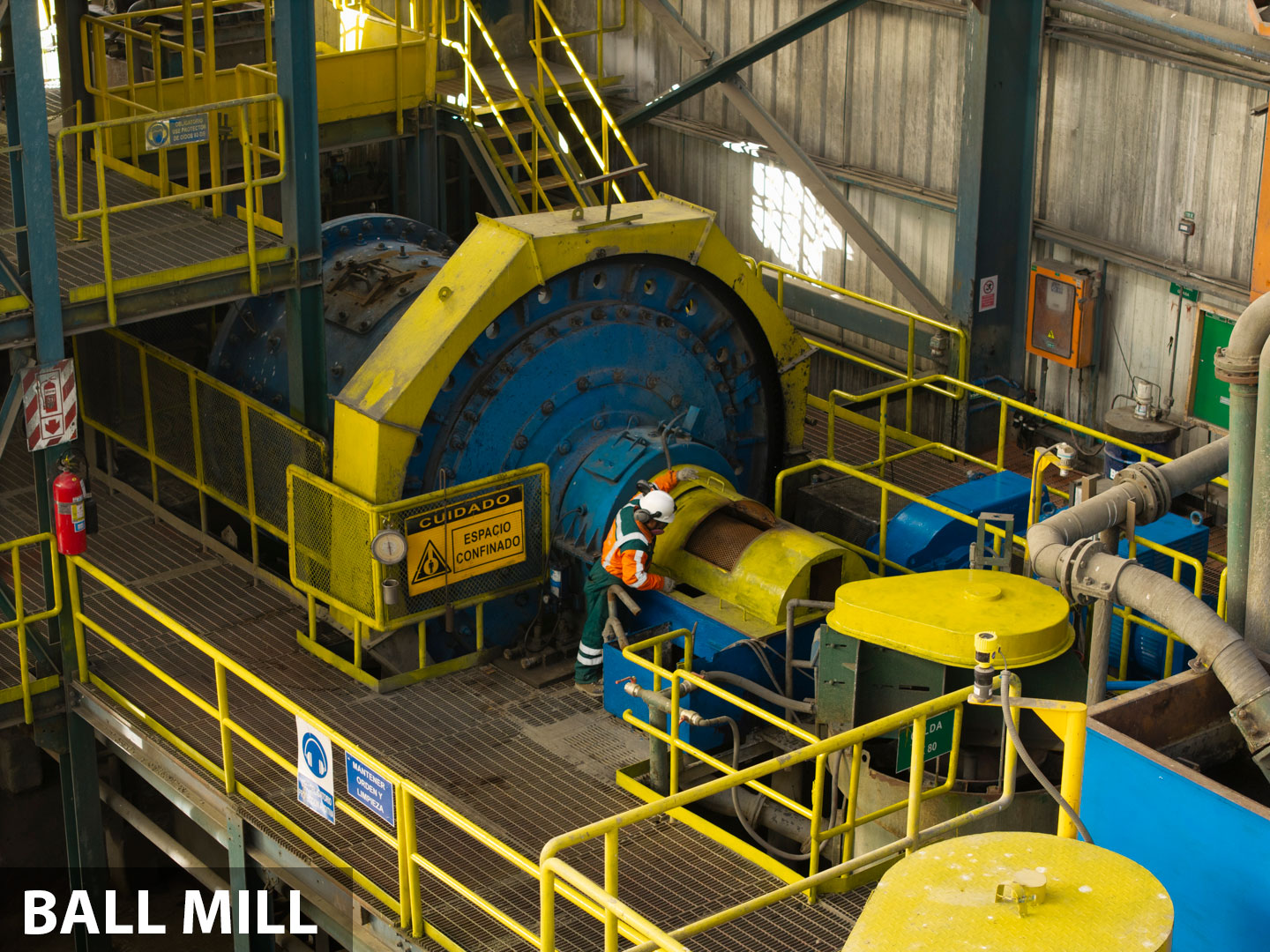
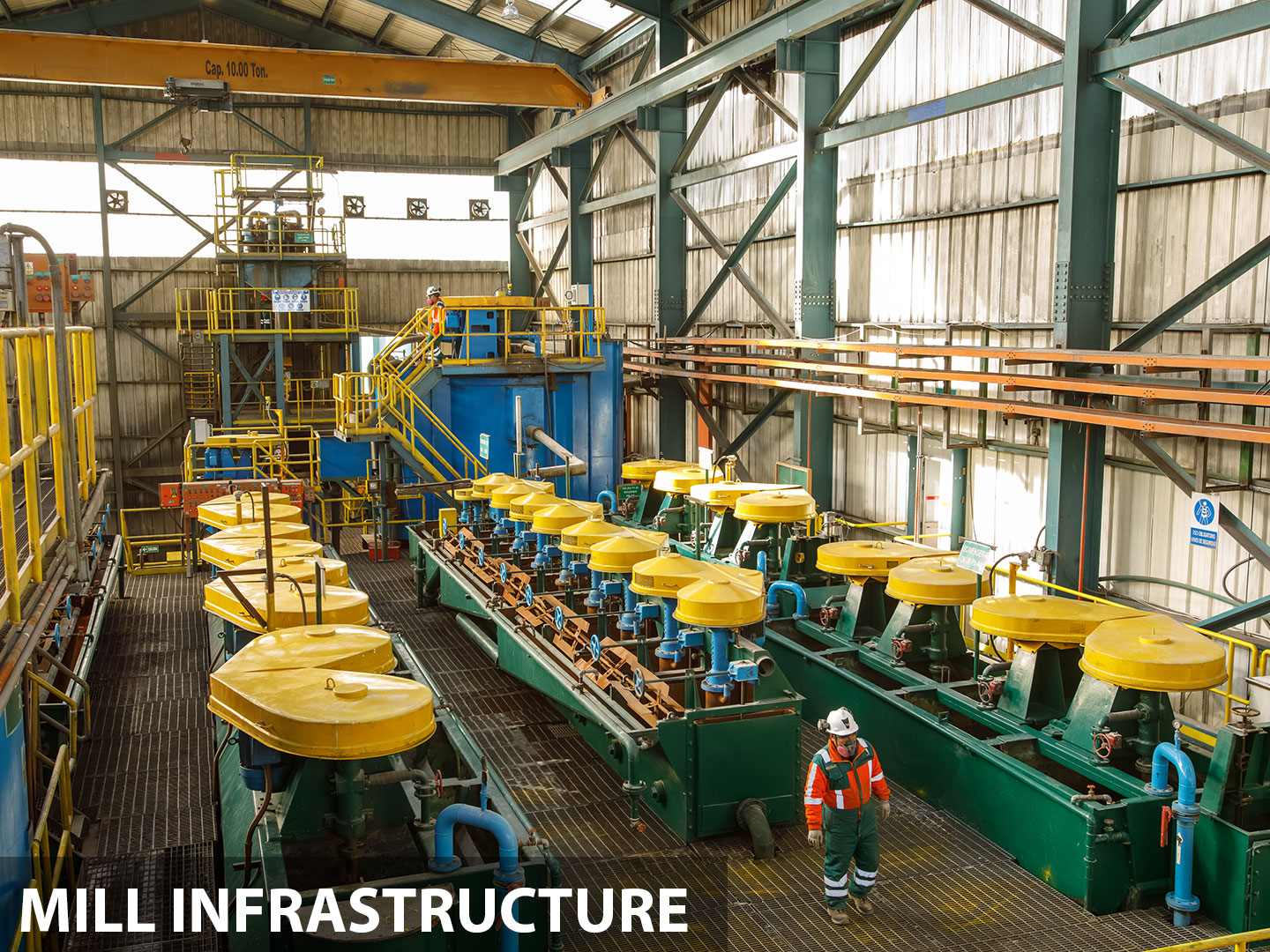
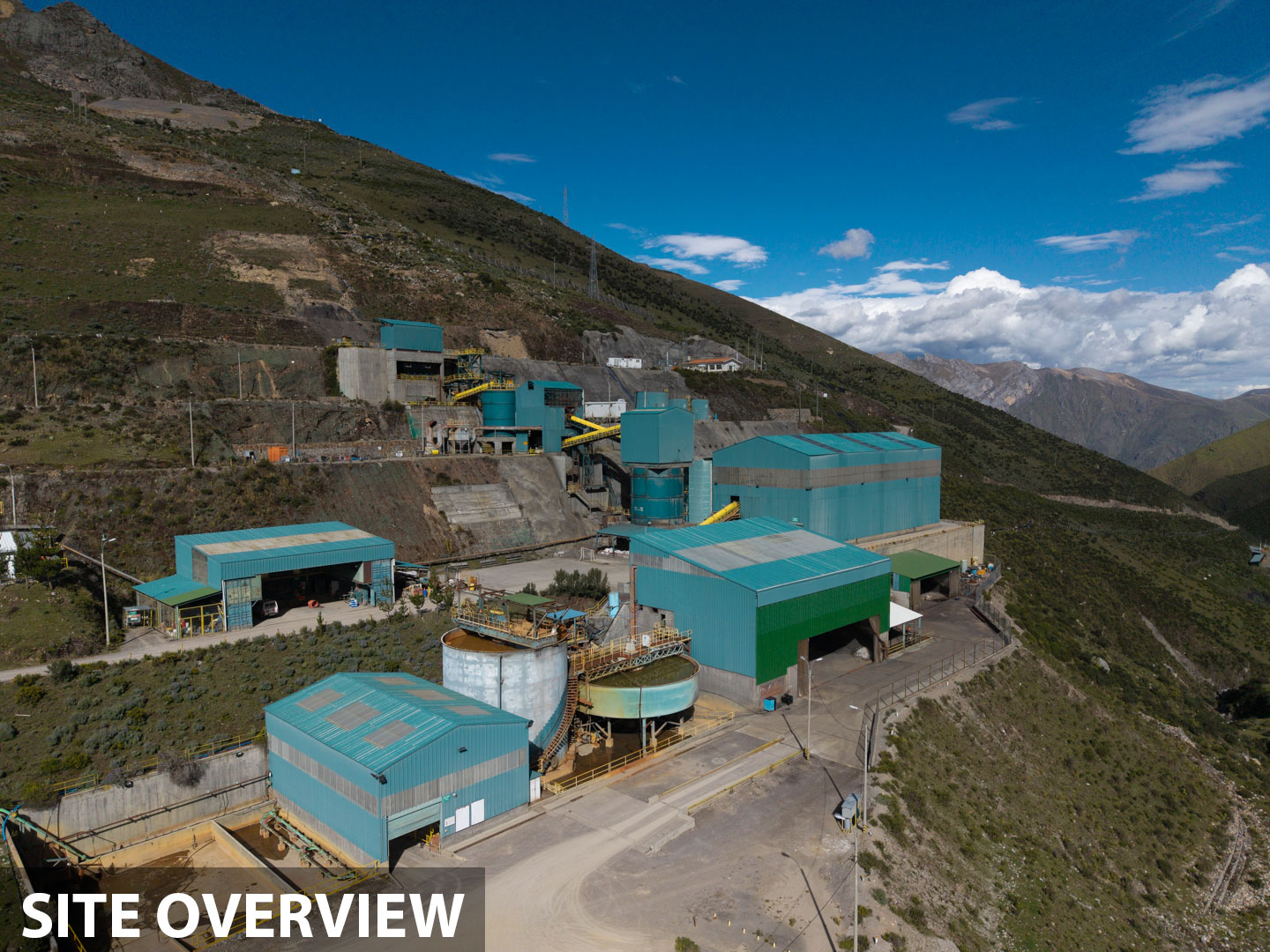
- Fully-Permitted Mill Infrastructure: Includes a 600 tpd flotation plant, assay lab, core shed, tailings storage, and camp infrastructure.
- Resource Growth Potential: The Footwall and Shafra exploration targets are not included in the current Mineral Resource Estimate and provide opportunities for future exploration and potential resource expansion.
- High-Grade Epithermal Vein System: Historically exploited narrow, high-grade silver-lead-zinc veins in a structurally controlled setting.
- Regional Synergy: Proximal to Excellon’s Tres Cerros exploration project, providing shared infrastructure and development upside.
Geology
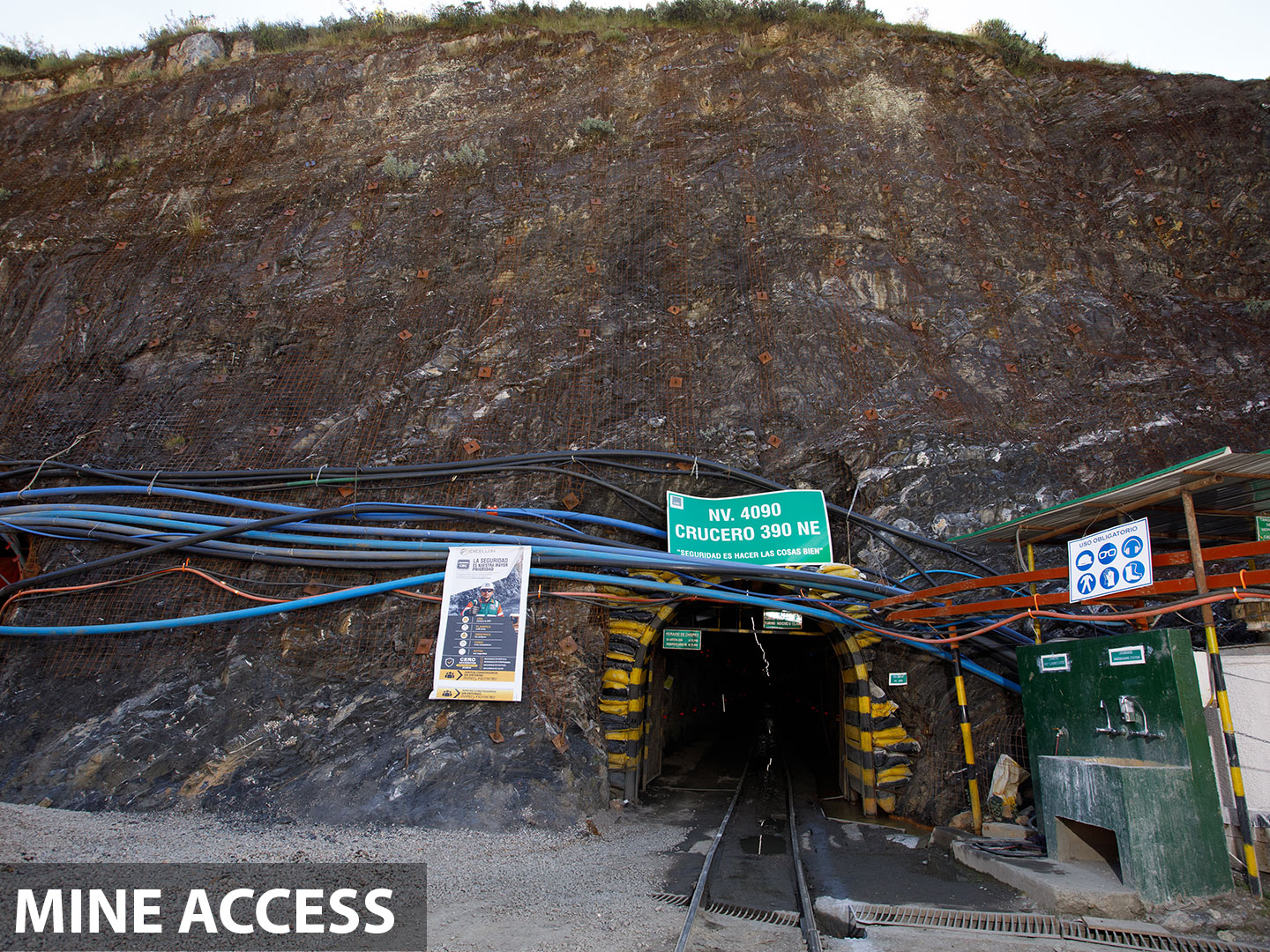
The Mallay Mine hosts a high-grade silver-lead-zinc vein system with epithermal characteristics. Mineralization is structurally controlled, occurring within steeply dipping quartz-sulfide veins that cut Mesozoic-aged quartzites and limestones.
Ore zones consist of banded and brecciated quartz veins with sphalerite, galena, and silver-bearing sulfosalts, with gangue minerals including barite and calcite. Historical development focused on discrete high-grade shoots accessed through underground mining.
Mineralization is typically hosted along fault zones, with multiple parallel and sub-parallel structures identified throughout the mine area. Alteration includes silicification, chlorite, and minor argillic overprint proximal to vein zones. These features are consistent with intermediate- to high-sulfidation epithermal systems found throughout the central Andes.
Note: The geological model and historical resource data for Mallay are based on JORC standards and have not been verified under NI 43-101. A Qualified Person has not completed sufficient work to classify the historical estimates as current mineral resources, and Excellon is not treating the historical estimates as current.
History
Mallay was placed into production in 2012 by Compañía de Minas Buenaventura and operated continuously until mid-2018. During this time, the mine produced approximately 7.7 million ounces of silver, 123 million pounds of zinc, and 85 million pounds of lead from underground operations.
The operation included a dedicated 600 tpd flotation plant, tailings facility, and full surface infrastructure to support mining, processing, and exploration. Production ceased due to a combination of lower metal prices and shifting strategic priorities.
Excellon acquired the Mallay Mine in 2025 through the acquisition of the broader Oyón property package, which also includes the nearby Tres Cerros gold-silver project. With significant infrastructure in place, Mallay represents a near-term restart opportunity in a proven district, with potential synergies from nearby exploration.
 |
 |
 |
 |
Location
Mallay is located in the Andes of central Peru, within the Lima Region, approximately 180 km north of Lima by road. The site lies 11 km west of the town of Oyón and is accessed via a network of paved and gravel roads.
The mine and processing facility are situated at an elevation of ~3,800 metres above sea level. Infrastructure includes a 600 tpd flotation circuit, assay lab, core logging facilities, and a modern camp. The processing facility has completed critical refurbishment and wet commissioning milestones, supporting Excellon's staged restart of Mallay.
Its proximity to the Tres Cerros exploration project (approximately 6 km west) provides a strategic advantage for shared access, infrastructure use, and potential staged development.
Email Signup
Sign up for the latest news and updates